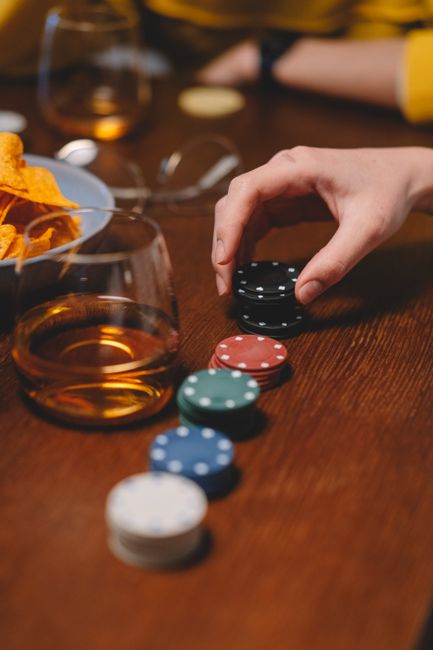


Strip away the neon, the jackpot sirens, and the slick app interfaces, and what's left is a simple truth: every game in a casino is a math problem wearing a costume. Slots, poker, blackjack, sports betting — they all run on probabilities that were calculated long before you sat down. The players who last aren't luckier than everyone else. They just understand the machine they're feeding.
Let's pull back the curtain on the numbers, the psychology, and the practical habits that separate a fun night out from a slow bleed.
Every casino game quotes some version of the same statistic: Return to Player, or RTP. A slot with 96% RTP, in theory, gives back 96 cents for every dollar wagered over millions of spins. The catch is in that phrase "over millions of spins." Your 200-spin session is a rounding error, and variance — the wild swings baked into a high-volatility game — decides your actual result. There is a useful overview at สล็อต.
Where RTP gets misunderstood is the comparison across games. A 96% slot and a 99.5% blackjack table look like cousins. They aren't. Over a thousand dollars of action, the slot player expects to lose about $40; the blackjack player about $5. That gap compounds fast, which is why serious players treat slots as entertainment with a known subscription fee, not as a strategy game.
Some numbers worth keeping in your head:
One more thing about slots: the RTP is calculated over the machine's entire lifespan, not your session. A game that's been cold for three hours isn't "due." That's the gambler's fallacy, and it's the single most expensive belief in the building.
Slots, roulette, and most table games pit you against a fixed edge. Poker is different. When you sit at a cash game or enter a tournament, the house takes a rake — usually 5% capped at a few dollars — and then steps out of the way. Your opponent's mistakes become your profit.
This is why poker is the only casino game where a disciplined player can have a genuine long-term edge. But "disciplined" is doing heavy lifting in that sentence. The leaks that drain most players aren't exotic bluffs gone wrong; they're boring, repeatable errors:
If you're new, the honest advice is unglamorous: play fewer hands, bet bigger when you do, and watch what your opponents show down. Reads come from volume, not from instincts you were born with.
Betting markets are efficient in a way most punters refuse to accept. The odds you see reflect the collective wisdom of sharp bettors, injury reports, weather models, and millions of dollars of action. Finding value isn't about knowing football better than the guy next to you at the pub; it's about knowing something the market hasn't priced in yet.
That's a narrow window, and it closes quickly. To bet sports seriously, you need three things working at once:
The vig — usually 4–5% on a standard two-way market — is the entry fee for playing. You don't beat it by betting more. You beat it by betting selectively.
Bankroll management is the difference between a hobby and a slow financial accident. The principle is simple: money you gamble with should be money you can afford to lose without changing your life. The practice is harder.
A workable framework for most recreational players looks like this:
The point isn't to be stingy. It's to survive the inevitable downswings long enough for the math to work in your favor — or, in the case of slots and roulette, to have a good time without pretending you're going to outsmart a fixed edge.
Casinos don't need to rig games to make money. They just need to design environments where decisions get worse as the night goes on. Variable-ratio reinforcement — the same schedule that makes slot machines so sticky — is the same thing that makes social media addictive. Near misses, bonus animations, and the sound of coins hitting a tray all exist for a reason.
So does the free drink. So does the lack of clocks. So does the way the cashier cage quietly converts chips back into cash you'll feel slightly different about tomorrow.
None of this is a conspiracy. It's just engineering, and knowing about it is your best defense. Physical boundaries help: set a loss limit before you leave the house, decide your end time in advance, and take breaks that involve standing up and going outside.
The iGaming world markets itself as a place where fortunes flip in an instant, and occasionally they do. But over any meaningful stretch — a year, five years — the house edge and skill differential do exactly what they're supposed to do. Slot players pay for entertainment. Poker players battle each other. Sports bettors fight the closing line. Knowing which game you're actually playing is the most valuable piece of information in the building.
Play the games you enjoy, but play them with open eyes. The math doesn't care about your instincts. Respect it, budget for it, and the whole thing becomes a lot more fun — and a lot less expensive.

Gorse Edit shares practical, down-to-earth guidance on uk nature writing and editing for readers across the UK.


Leave A Comment