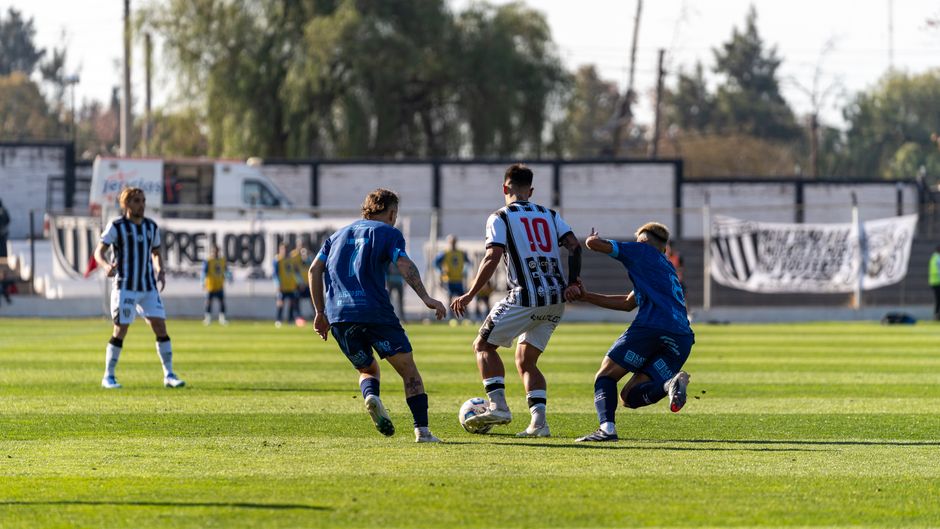


There's a specific kind of adrenaline that hits when the away end fills up in a foreign city. Scarves knotted around wrists, songs bouncing off concrete, a strip of colours 2,000 miles from home. It's one of the best feelings football can give you. It's also the moment where a tiny lapse in planning can turn a brilliant trip into a story you'd rather not tell. Derbies abroad, cup nights in unfamiliar cities, and big international tournaments all attract crowds — and crowds attract trouble. A bit of forethought goes a long way.
What follows isn't a lecture about staying in the hotel bar. Thousands of travelling fans have a brilliant, safe time at every fixture because they do a few simple things right. Here's how to be one of them.
Most trouble fans experience abroad comes down to being stuck somewhere with no clear way out. Last trains vanish, taxis circle the block with the meter on, and sudden crowds form at exits that were empty an hour earlier. Decide how you're arriving and how you're getting out again before you even pack.
There's a practical rule worth adopting: never let a night end with your final transport plan still undecided at 11pm.
Mobile data is the first luxury to fail abroad. Congested stadiums, roaming quirks and a flat battery render all those carefully arranged messages useless. Pick two meet-up points before kickoff: a pre-match one near pitch level and a post-match one slightly further out. Share it out loud with everyone in your group, not just by message, and choose something with a description everyone will remember — a distinctive shop front, a fountain, the entrance to a named metro station. Note the street name, not just the landmark.
Keep a small notebook or a notes app entry with the meet-point addresses, your hotel's address, and the number of your group members. It sounds almost quaint, but when phone screens glare in the dark and the signal gives up, written notes win every time.
You're a guest, and local police will expect you to know the basics. A few rules trip up travelling fans more than any others:
Before you go, skim your foreign office's travel advice for the host country and city. Ten minutes now saves hours of guessing later. xoilac goes into the finer points.
Local police will be present at most away days, and their role focuses on keeping lines of travel and the area around the stadium moving. Find the stewards near your block as soon as you're inside, and note their visibility. If anything feels off — a group getting aggressive near your section, or someone getting pushed around — go and speak to a steward rather than getting involved. They have radios. You have a scarf.
In larger tournaments, host cities often run fan zones with licensed staff and security. Use them. These are designed for exactly the kind of night you're after, with screens, drinks, and an exit plan that doesn't involve a dark street.
The old footballing rule holds abroad too: the worst decisions tend to be made when nobody is minding their own business. Do not respond to goading, especially from rival fans. Avoid interposed groups after the match. Don't wander into the home fans' district just to make a point. If someone wants to provoke you, walking away is not a lack of loyalty; it's smart.
A few habits keep the night calm:
Late at night, after the final whistle and the eventual walk to the station, you'll remember the songs more than the street names. That's the point. Safety routines are not there to muzzle fun; they're there so the memory is one you'll want to share on video, not in a detective's office. Arrange your transport and meet-points, respect the laws of a city that has welcomed you, stay close to your group, and save the arguing for the match thread. The away day abroad is more memorable for the moments of simple joy, and those come easiest when you can relax into it. That much is true for every travelling fan flying home.

Gorse Edit shares practical, down-to-earth guidance on uk nature writing and editing for readers across the UK.


Leave A Comment